The commercial real estate landscape is rapidly evolving, driven by economic shifts, hybrid work models, and a growing emphasis on sustainability. In 2025, landlords and tenants must adapt to a new economy shaped by digital transformation, flexible financing, and changing tenant expectations. This blog explores innovative leasing strategies to maximize property value and occupancy rates. From leveraging technology to offering flexible lease terms, these approaches address the challenges of high vacancy rates and economic uncertainty. Stay ahead in this competitive market with practical, data-driven tactics.
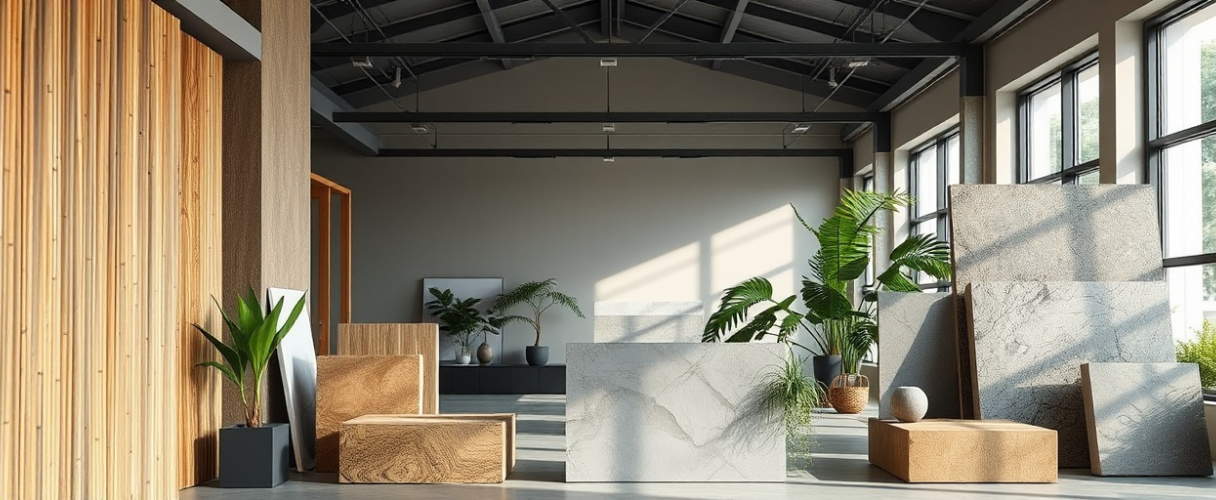
Types of Sustainable Material
Recycled and Reclaimed Materials
Materials that have been recovered from existing structures or manufacturing waste streams, reducing the need for virgin resources and diverting waste from landfills
Recycled glass for countertops and decorative elements
Recycled plastic composites for various applications
Rapidly Renewable Materials
Materials derived from plants that regenerate quickly (typically within 10 years or less), offering sustainable alternatives to slower- growing resources.
Bamboo flooring and structural elements
Cork for flooring and insulation
Linoleum made from linseed oil and natural fibers
Straw bale for insulation
Bio-based Materials
Materials derived from biological sources that offer alternatives to petroleum-based products, often with reduced carbon footprints.
Mycelium (mushroom-based) insulation and packaging
Hempcrete (hemp fiber and lime mixture)
Soy-based insulation
Bioplastics for various applications
Alternative Concrete Products
Innovative concrete formulations that reduce the environmental impact of traditional concrete, which is responsible for approximately 8% of global CO₂ emissions.
Key Strategies for Commercial Leasing in the New Economy
Embrace Flexible Lease Terms Offer short-term leases or revenue-based rents to attract startups and businesses cautious about long-term commitments. For example, Easton Town Center uses flexible leasing options to ensure economic sustainability.
Leverage GIS and Data Analytics: Use tools like AlphaMap to identify unique selling points (USPs) and market trends, enabling targeted marketing to high-quality tenants. Data-driven insights can streamline leasing workflows and boost tenant attraction.
Enhance Property Appeal with Amenities: Invest in modern amenities like high-speed internet, green spaces, or smart building features to meet tenant demands for experiential and functional spaces. This aligns with the 2024 retail leasing trend toward experiential concepts.
Environmental Benefits
"The question is no longer whether to incorporate sustainable materials into commercial real estate, but how to do so most effectively. Those who master this challenge will lead the industry's transformation toward a more sustainable and profitable future."
Emma Williams, Sustainability Consultant
Sustainable building materials offer numerous environmental benefits that contribute to reducing the overall ecological footprint of commercial properties. These benefits extend beyond the building itself to impact broader environmental systems and communities.
Environmental Impact Metrics
Quantifying the environmental benefits of sustainable materials is essential for making informed decisions and communicating value to stakeholders. Key metrics include:
Metric
Description
Typical Impact Reduction
Embodied Carbon
CO₂ emissions associated with material extraction, manufacturing, transportation, and end-of-life
30-80% reduction
Global Warming Potential (GWP)
Measure of how much heat a greenhouse gas traps in the atmosphere
20-60% reduction
Primary Energy Demand
Total energy consumed in material production and transportation
15-50% reduction
Water Footprint
Volume of freshwater used in production and processing
40-90% reduction
Life Cycle Assessment (LCA)
+
Emerging Trends to Watch
Rise of Digital Economy Properties: Demand for data centers and logistics facilities is surging due to AI adoption and e-commerce growth, with industrial properties leading in 2025.
Shorter Lease Durations: Tenants prefer shorter-term leases with renewal options due to economic uncertainty, particularly in the office sector.
Public-Private Partnerships: Collaborations for affordable housing and infrastructure projects are creating new leasing opportunities, especially in urban redevelopment.
Cost Analysis
Understanding the economic implications of sustainable materials is crucial for commercial real estate professionals. While some sustainable options may have higher upfront costs, they often deliver significant long- term financial benefits through operational savings, increased property value, and risk mitigation.
Initial Cost Considerations
The initial cost premium for sustainable materials varies widely depending on the specific material, market availability, and project location. Current market trends show:
Material Category
Typical Cost Premium
Market Trend
Recycled Materials
-5% to +10%
⬇ Decreasing
Bio-based Materials
+10% to +30%
- Stable
Alternative Concrete
-5% to +10%
+ Decreasing
Energy-Efficient Materials
+10% to +30%
- Stable
Water-Conserving Materials
-5% to +10%
+ Decreasing
Conclusion
Sustainable building materials represent a powerful opportunity for commercial real estate professionals to reduce environmental impact, enhance property performance, and create value for stakeholders. As this comprehensive guide has demonstrated, the business case for these materials continues to strengthen as costs decrease, benefits become more quantifiable, and market demand grows. By embracing sustainable building materials today, commercial real estate professionals can position their properties and portfolios for success in an increasingly environmentally conscious and regulated marketplace. The path forward requires commitment, education, and innovation, but the benefits—for business, occupants, and the planet—make this journey essential for forward-thinking industry leaders.
"The built environment is responsible for nearly 40% of global carbon emissions. Sustainable materials represent one of our most powerful tools for reducing this impact while creating healthier, more resilient buildings."
World Green Building Council
New York Times
Reduced Carbon Emissions
Many sustainable materials have significantly lower embodied carbon than conventional alternatives, reducing the carbon footprint of buildings by 30- 70%
Reduced Emissions
Many sustainable materials have significantly lower embodied carbon than conventional alternatives, reducing the carbon footprint of buildings by 30- 70%. Many sustainable materials have significantly lower embodied carbon than conventional alternatives, reducing the carbon footprint of buildings by 30- 70%
Emissions
Many sustainable materials have significantly lower embodied carbon than conventional alternatives, reducing the carbon footprint of buildings by 30- 70%. Many sustainable materials have significantly lower embodied carbon.
About the Author
Emma williams is a seasoned real estate professional with over 12 years of experience in property management, investment, and market analysis. Emma oversaw a portfolio of residential and commercial properties in dubai, optimizing rental yields by 15% through strategic tenant management and market-driven pricing
 5 min read









Login
Don't have an account? Sign Up
Sign Up
Already have an account? Log In